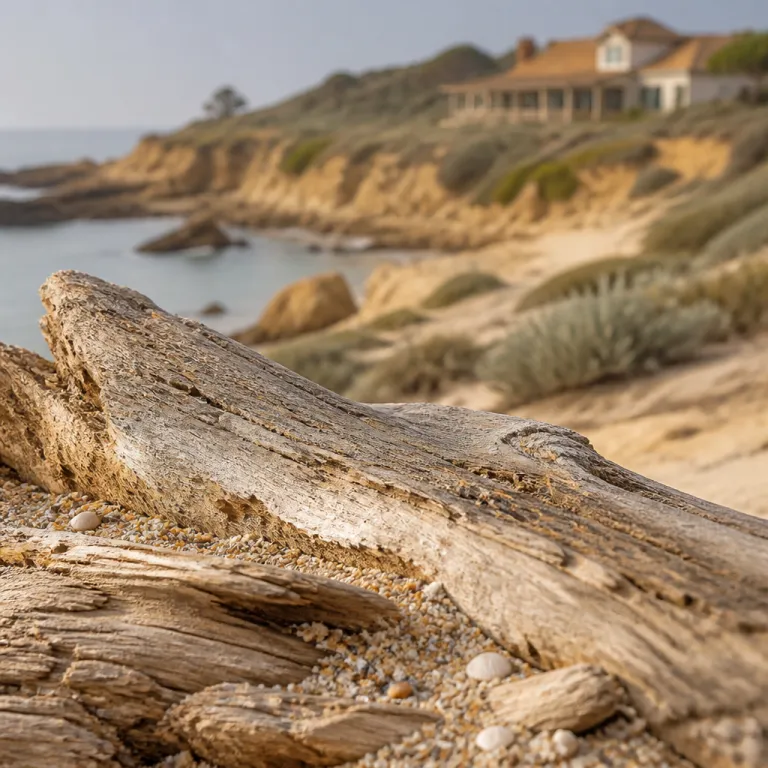
Choosing a hotel near refined hidden gems in California to visit
When you plan a stay around some of the most refined hidden gems in California to visit, your hotel choice shapes every moment of the journey. Many travelers focus only on famous icons like the Golden Gate Bridge or Yosemite Valley, yet the most rewarding places to explore often sit quietly in another county or just beyond a tree tunnel on a coastal lane. To align your hotel with these lesser known highlights, start by mapping the California coast, the nearest state park, and the national park gateways you want to check during your time away.
For guests flying into Los Angeles or San Francisco, consider choosing one primary hub hotel, then adding one or two one night stays closer to specific hidden places. This approach keeps check in and check out simple while still allowing you to reach a quiet canyon, a lesser known beach, or a national monument without exhausting day drives. When you plan this way, your road trip will feel measured and elegant rather than rushed between distant parks and crowded city streets.
Look for properties that understand guests who are chasing quieter attractions instead of only downtown nightlife. In Northern California, that might mean a small inn near a lake or a lodge beside a state park trailhead where tall trees frame the parking area. In Southern California, consider coastal hotels that sit between Los Angeles and San Diego, so you can visit both a calm beach and an inland canyon national park on the same day.
Staying along the California coast: from Big Sur to quiet beaches
The California coast remains one of the most elegant corridors of hidden gems in California to visit, especially for travelers who value scenic hotels. Between Big Sur and San Luis Obispo County, you will find cliffside lodges where many rooms face the ocean and where a short walk leads to a hidden beach cove. These are ideal places to visit if you want sunrise light on rugged rocks one day and a slow afternoon beside McWay Falls the next.
When you book along Big Sur, check whether your hotel offers easy access to both the highway and nearby state park trailheads. Some properties sit close to Julia Pfeiffer Burns State Park, where McWay Falls drops directly into the sea, while others are nearer to redwood trees and inland canyon paths that feel far from the beaten path. Ask the front desk which hidden viewpoints their staff personally love, because that local insight will often reveal a quiet bridge overlook, a tree tunnel on an unmarked lane, or a turnout with limited but convenient parking.
Farther south, the California coast near Santa Barbara and Ventura in Southern California offers refined but relaxed stays. Here, you can choose a hotel facing the beach yet still drive inland within an hour to visit a Channel Islands National Park access point or a protected lake with calm waters. These coastal bases make it easy to plan a flexible road trip, adjusting each day according to weather, tides, and how much time you want to spend exploring hidden coves versus resting in your room.
Hidden desert and canyon retreats: Death Valley and beyond
Desert landscapes in California hold some of the most striking hidden gems in California to visit, especially for guests who appreciate silence and star filled skies. In Death Valley National Park, staying inside the park rather than outside the boundary will dramatically reduce your driving time and increase your chances of seeing sunrise colors over salt flats. These in park hotels also allow you to return to your room quickly during the hottest part of the day, then head back out to hidden canyon viewpoints in the evening.
While Death Valley is not as green as a coastal state park, its canyons, salt formations, and distant mountains create a unique sense of scale. Choose a hotel that offers shaded courtyards or trees around the pool, because that small detail will make your stay far more comfortable between long walks. Before you visit, always check National Park Service alerts, road closures, and seasonal recommendations, since some places to visit become inaccessible after storms or extreme heat.
Beyond Death Valley, consider desert hotels in San Bernardino County or Riverside County that place you between multiple protected areas. From a single base, you might reach a national monument, a lesser known canyon, and even the edge of the Grand Canyon region in neighboring states on a longer road trip. These properties often attract photographers and hikers who value quieter viewpoints, so staff will usually know which places visit well at sunrise, which lake viewpoints stay quiet, and which back roads require high clearance vehicles or permits.
Northern California stays: lakes, trees, and quiet state parks
Northern California rewards travelers who choose hotels near water and forests rather than only in city centers. Around Shasta Lake and Trinity Lake, lakeside lodges and cabins offer direct access to kayaking, while nearby state park campgrounds and trails remain relatively hidden outside peak holiday periods. These are refined hidden gems in California to visit if you enjoy waking to mist over a lake and ending the day beside a fireplace rather than a crowded bar.
Farther south, properties near Sequoia National Park and Kings Canyon National Park give you rare proximity to some of the tallest trees on earth. Staying in or near these national park gateways means you can walk among giant trees early, before day visitors arrive from the valley, and still return to your room in time for a relaxed breakfast. When you book, check elevation and driving distances carefully, because mountain roads can add unexpected time between your hotel and the main groves.
Along the Northern California coast, small inns near Mendocino and Humboldt County place you close to both rugged cliffs and quiet redwood state parks. Here, a short drive might take you from a windswept beach to a hidden tree tunnel of second growth forest where light filters softly through the canopy. These places to visit feel far from the beaten path, yet you still enjoy comfortable rooms, thoughtful service, and easy access to restaurants and basic supplies in nearby towns.
Urban bases for hidden gems: San Francisco, Los Angeles, and beyond
Staying in San Francisco or Los Angeles does not mean sacrificing access to hidden gems in California to visit, as long as you choose your neighborhood carefully. In San Francisco, a hotel near the waterfront or Presidio places you within minutes of the Golden Gate area, where lesser known trails reveal angles on the Golden Gate Bridge that most visitors never see. From these bases, you can visit a nearby state park, cross a quiet bridge at dawn, then return to the city for dinner the same day.
San Francisco hotels also work well for day trips to Northern California wine country, Point Reyes National Seashore, and even a tree tunnel of cypress trees that has become a photographer favorite. When you plan, check transit options and parking fees, because those details will shape whether you rely on a rental car, rideshares, or guided excursions. Remember that some of the most hidden viewpoints around the Golden Gate sit just a short walk from busy roads, yet feel surprisingly calm once you arrive.
In Los Angeles, consider staying near Santa Monica, Pasadena, or the South Bay rather than only downtown. These areas shorten your drive to coastal parks, canyon trails, and even the start of a longer road trip toward Big Sur or Death Valley. From a single urban base, you can visit a quiet beach one day, a national monument or state park the next, and still return each night to a hotel with refined dining, secure parking, and reliable service.
Planning your itinerary: matching hotels to hidden gems and activities
To make the most of hidden gems in California to visit, design your itinerary around experiences rather than only around cities. Start by listing the national park areas, state park trails, and specific places to visit such as McWay Falls, Sequoia National Park groves, or a favorite beach along the California coast. Then group these hidden locations into logical clusters so that each hotel stay supports two or three key outings without excessive driving time.
For example, one refined road trip might begin in San Francisco for the Golden Gate and nearby coastal parks, continue down to Big Sur for McWay Falls and cliffside trails, then end in Southern California near Los Angeles for desert or island excursions. Another itinerary could focus on Northern California lakes, Sequoia National Forests, and a final night in a wine country county where vineyards meet redwood trees. Whatever route you choose, always check seasonal conditions, as some canyon roads, lake access points, and national monument sites close during storms, snow, or high fire risk.
Throughout your planning, remember that many of California’s most hidden gems reward slow travel. Build in at least one unscheduled day at each stop so you can follow local recommendations, whether that means a short walk to a tree tunnel, a sunset bridge viewpoint, or a quiet park beside a lake. As many regional guides note, check weather conditions, verify accessibility, and respect local guidelines, including parking rules and permit requirements.
Key figures for travelers seeking hidden gems in California
- Visit California and state tourism reports note that the state welcomes well over one hundred million visitors each year, which means that choosing hotels near lesser known parks and beaches can significantly increase your chances of enjoying quiet spaces.
- With more than 280 state parks and nine national parks plus additional national park units across the state, planning around just three or four regions per trip helps you avoid spending more than half your time driving between distant counties.
- Interest in eco tourism and unique travel experiences continues to grow, so booking hotels near hidden gems along the California coast or in Northern California forests well in advance is now essential during peak seasons.
FAQ: refined stays near hidden gems in California to visit
What are some hidden gems in California that pair well with hotel stays?
Some of the most rewarding hidden gems in California to visit while staying in comfortable hotels include Salvation Mountain near the Salton Sea, the Antelope Valley Poppy Reserve in Los Angeles County, and the Painted Cave near Santa Barbara that you can reach by kayak during calm weather. These spots work well as day trips from desert, inland, or coastal bases and allow you to enjoy unique landscapes without sacrificing evening comfort.
How can I access Painted Cave safely during my stay?
Painted Cave near Santa Barbara is typically accessed by kayak along a protected stretch of the California coast. To visit safely, travel with an experienced outfitter, wear a life jacket, and choose a departure that avoids strong winds or large swells. Always check marine forecasts, confirm whether permits or advance reservations are required, and allow extra time in case conditions change.
When is the best time to visit Antelope Valley Poppy Reserve from my hotel?
The Antelope Valley Poppy Reserve in Los Angeles County usually looks its best in spring when wildflowers bloom across the hills. Staying in Lancaster or Palmdale shortens your drive and lets you arrive early before parking areas fill. Check the California State Parks wildflower updates before you go, and bring water, sun protection, and layers for windy conditions.
How should I choose between coastal, desert, and forest hotels?
Coastal hotels along the California coast work best if you want beaches, bridges, and sea cliffs such as Big Sur and McWay Falls. Desert properties near Death Valley or other inland parks suit travelers who enjoy wide horizons, canyon hikes, and starry nights, while forest lodges in Northern California or near Sequoia and Kings Canyon National Parks are ideal for guests who prefer lakes, trees, and cooler air. Your choice should follow the landscapes and hidden gems you value most, as well as driving distances between each base.
What are some hidden gems in California?
Several refined hidden gems in California to visit include Salvation Mountain created by artist Leonard Knight, the Painted Cave sea grotto, and the Antelope Valley Poppy Reserve. Other options include Mitchell Caverns in the Mojave Desert, a limestone cave system that offers guided tours when open, and lesser known viewpoints in state parks along the North Coast. These sites sit away from the most beaten path, so always check current access details, operating hours, and any permit requirements before you book nearby hotels.
