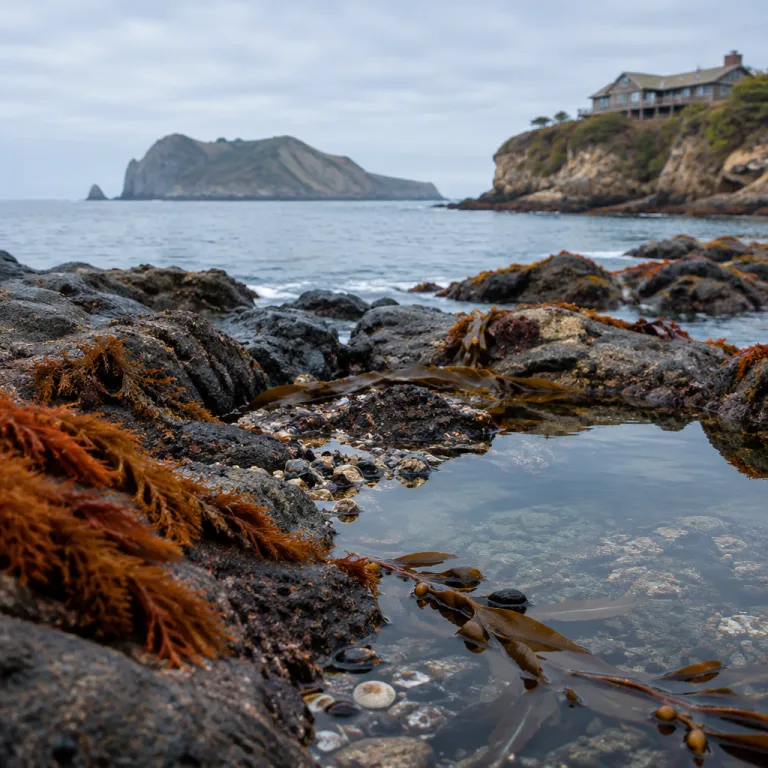
Santa Barbara and Anacapa Islands ASBS state water: why it matters for your stay
Choosing a hotel near the Santa Barbara and Anacapa Islands ASBS state water quietly shapes the character of your coastal escape. This offshore protected area in California safeguards natural water quality around each island, which in turn preserves the sea life and scenery that make nearby coastal stays so compelling. When you book in this region, you are not just reserving a room; you are anchoring your trip to one of the state’s most carefully protected areas of the Channel Islands.
The designation of this site as an Area of Special Biological Significance, or ASBS, means state water rules here are stricter than along many other coastal areas. The California State Water Resources Control Board and the Los Angeles Regional Water Quality Control Board treat this ASBS as a protected area where point source discharges are prohibited, so the water quality remains as close as possible to natural water conditions. For travelers, that legal framework translates into clearer sea views, healthier marine life, and a sense that the surrounding Channel Islands seascape is being actively cared for year after year.
Santa Barbara Island and Anacapa Island sit within the Channel Islands, forming a marine protected mosaic that includes Channel Islands National Park and the Channel Islands National Marine Sanctuary. Around Anacapa, three islets rise from the sea, and these three islets help create a breeding area for seabirds that depend on high water quality and undisturbed coastal cliffs. When you read that this ASBS covers roughly 34,862 acres of state water in official State Water Board documents such as the California Ocean Plan and ASBS fact sheets, you are seeing the scale of the commitment behind your chosen coastal area, not just an abstract environmental assessment.
Hidden coastal inns near a marine protected sanctuary
Along the mainland coast opposite Santa Barbara and Anacapa Islands ASBS state water, a string of hidden coastal inns and small retreats caters to travelers who value quiet and quality. Many of these properties sit in low-rise facilities small enough to feel intimate, yet close enough to the sea that you can watch the Channel Islands shimmer on clear days. When you browse options in this area, focus on hotels that highlight their relationship with the nearby marine protected waters and the wider national park seascape.
Properties along this stretch of California’s coastal area often work closely with park rangers, sanctuary staff, or the State Water Resources Control Board to align guest activities with protected areas rules. Some hotels provide in-room information about the ASBS assessment process, explaining how the state water protections maintain natural water conditions around each island and why the biological significance of these waters matters. Look for stays that reference Channel Islands National Park ferries, guided sea kayaking, or bird-watching trips to the three islets of Anacapa Island, because that usually signals a deeper understanding of the site’s special biological status.
If you want a curated overview of where to stay, use specialist resources that map hidden coastal inns near Santa Barbara’s working harbor and the quieter beaches to the south, such as this guide to hidden coastal inns in Santa Barbara. These handpicked properties tend to respect the nearby protected area by limiting light pollution, supporting local conservation groups, and encouraging low-impact sea excursions. For guests, that means you can enjoy refined comfort on land while knowing the surrounding state water and marine protected areas remain a priority, not an afterthought.
How ASBS protections shape your coastal experience
The phrase “Santa Barbara and Anacapa Islands ASBS state water” can sound technical, yet it has very tangible effects on your trip. ASBS stands for Area of Special Biological Significance, a state designation that requires natural water quality to be maintained so that the biological significance of the site is not compromised. In practice, that means the coastal and offshore areas special to marine life around each island are shielded from waste discharges that could alter sea conditions.
Regulators set the ASBS boundary roughly one nautical mile offshore or to the 300-foot depth contour, whichever is greater, creating a broad protected area around both islands. Within this zone, the State Water Board and the Regional Water Board enforce strict water quality standards, and the Channel Islands National Marine Sanctuary overlays additional protections for the same sea. When you book a hotel that promotes eco-friendly practices in this area, you are indirectly supporting that multi-layer protection system and its long-term assessment work.
For travelers, the benefits show up in subtle but meaningful ways, from clearer views across the channel to healthier kelp forests that support fish, sea lions, and seabirds using the islands as a breeding area. Many coastal hotels now highlight their proximity to the Channel Islands and the national park in their marketing, yet the most thoughtful ones also reference the ASBS status and explain why this site is different from other marine protected areas. To deepen your planning across the coast, you can pair this region with other protected icons using a resource such as this overview of California coastal icons, parks, and hidden inns, then compare how each area balances access and protection.
Choosing the right coastal area and hotel style
When you narrow down hotels near Santa Barbara and Anacapa Islands ASBS state water, start by deciding how close you want to be to the working harbor, the quieter beaches, or the inland hills. The harbor area offers easy access to Channel Islands ferry terminals, sea kayaking, and marine tours, while more secluded coastal areas south of town provide a calmer base with facilities small in scale but often higher in perceived quality. Inland, hillside properties trade immediate sea access for sweeping views across the channel to each island and the distant outline of the three islets off Anacapa Island.
Check how each property addresses water use, stormwater management, and energy, because those details often mirror the broader state water ethic that underpins the ASBS designation offshore. Hotels that highlight low-impact landscaping, careful water quality monitoring for pools and spas, and partnerships with Channel Islands National Park or the Channel Islands National Marine Sanctuary tend to be more aligned with the protected areas offshore. Ask whether the hotel shares information about the ASBS assessment process or supports local groups that work on habitat restoration for the breeding area of seabirds on Anacapa Island and Santa Barbara Island.
Travelers who value quiet often prefer small coastal properties with fewer rooms, where the facilities small enough to feel personal still offer strong service and refined design. Those who prioritize activity might choose larger hotels near the harbor, where access to the sea, the national park ferries, and guided trips to the islands is effortless all year. For a broader planning perspective that includes mountain bases and seasonal color, some travelers pair this coast with inland stays using resources such as this Eastern Sierra basecamp guide, then return to the Channel Islands area for a final coastal retreat.
Reading the water: what “natural water quality” means for guests
Natural water quality is more than a phrase in a regulation; it is the foundation of the Santa Barbara and Anacapa Islands ASBS state water designation. In this context, natural water means the sea around each island should remain as close as possible to its condition without human discharges, so that the biological significance of the site is preserved. For visitors, that commitment shapes everything from the clarity of the water you see from a ferry to the health of the kelp forests that sway beneath the surface.
The State Water Board and the Los Angeles Regional Water Quality Control Board use the California Ocean Plan and specific ASBS regulations to guide assessment and enforcement in this protected area. Offshore boundaries are defined using both distance and depth, and the Channel Islands National Marine Sanctuary adds another layer of oversight to ensure that the marine protected status is meaningful, not symbolic. One official explanation from state documents captures the intent clearly: “Area of Special Biological Significance requiring natural water quality protection”.
As a hotel guest, you will notice the results of this long-running effort in small but memorable ways, such as the abundance of seabirds circling the three islets of Anacapa Island or the presence of marine mammals resting near the islands’ national park boundaries. Guides leading sea kayaking or snorkeling trips often explain how areas special to certain species, including breeding area zones, benefit from the ASBS protections and the broader network of protected areas. When you return to your coastal hotel after a day on the water, the sense of having visited a genuinely protected area often becomes one of the trip’s defining impressions.
Practical tips for booking responsibly around the Channel Islands
Booking a hotel near Santa Barbara and Anacapa Islands ASBS state water is an opportunity to align your travel choices with the values that created this protected area. Start by checking whether a property shares clear information about local marine protected rules, including no-discharge zones, wildlife viewing guidelines, and links to Channel Islands National Park visitor information. Hotels that engage with these topics usually have a deeper understanding of the site’s special biological status and the importance of maintaining high water quality offshore.
Before confirming a reservation, ask how the hotel manages its own water use, waste, and stormwater, because those practices directly influence the broader state water ethic that supports the ASBS designation. Some properties now highlight partnerships with conservation organizations working in the Channel Islands area, including projects that support seabird breeding area restoration on Anacapa Island or habitat work on Santa Barbara Island. When a hotel can speak confidently about its role in protecting nearby coastal areas and natural water resources, that is a strong indicator of overall quality and long-term commitment.
During your stay, simple choices reinforce the protections that drew you here, such as joining guided tours that respect wildlife distances, keeping noise low near sensitive coastal cliffs, and following all instructions from park and sanctuary staff. Remember that the ASBS status, the marine protected designations, and the overlapping jurisdictions of the State Water Board, the Regional Water Board, and the Channel Islands National Marine Sanctuary all exist to safeguard this site for future visitors. By selecting thoughtful accommodation and behaving as a considerate guest, you help ensure that the Santa Barbara and Anacapa Islands ASBS state water area remains one of California’s most remarkable protected areas for many trips to come.
Key figures about Santa Barbara and Anacapa Islands ASBS state water
- The Santa Barbara and Anacapa Islands ASBS covers about 34,862 acres of state water, creating a large protected area that surrounds both islands and their adjacent sea cliffs (source: California State Water Resources Control Board and California Ocean Plan ASBS tables).
- The offshore ASBS boundary is set at one nautical mile from shore or the 300-foot depth contour, whichever is greater, which ensures that deeper channel habitats and coastal shallows both receive natural water quality protections (source: California Ocean Plan).
- There are 34 designated Areas of Special Biological Significance across California, and the Santa Barbara and Anacapa Islands ASBS is one of the most prominent examples linked directly to a national park and a national marine sanctuary (source: State Water Resources Control Board ASBS program data).
- The ASBS designation prohibits point source and thermal waste discharges that could alter natural water conditions, a rule that helps maintain the biological significance of breeding areas for seabirds on Anacapa Island’s three islets and on Santa Barbara Island.
- Ongoing management actions in this area include stricter stormwater runoff controls on the mainland, habitat restoration on Santa Barbara Island led in coordination with Channel Islands National Park, and monitoring for non-point source pollution, all of which support the long-term water quality that coastal hotels now highlight to guests.
FAQ about hotels and the Santa Barbara and Anacapa Islands ASBS state water
What does ASBS mean for someone booking a hotel near Santa Barbara?
ASBS stands for Area of Special Biological Significance, and in the case of Santa Barbara and Anacapa Islands ASBS state water it means the offshore area is legally protected to maintain natural water quality. For hotel guests, this translates into a cleaner marine environment, healthier wildlife, and a higher likelihood that local operators follow strict environmental standards. When a hotel references the ASBS designation in its materials, it usually signals awareness of these protections and a willingness to align with them.
Can I visit Anacapa Island and Santa Barbara Island from my coastal hotel?
Yes, ferries and guided boats to Anacapa Island and Santa Barbara Island typically depart from harbors in Ventura and Oxnard, which are within easy driving distance of many Santa Barbara area hotels. These trips take you into Channel Islands National Park and the surrounding marine protected waters, including parts of the ASBS state water area. Always check current access rules, as weather, sea conditions, and wildlife protection needs can affect landings on the islands or around sensitive breeding areas.
How do ASBS protections affect activities like kayaking or snorkeling?
ASBS protections focus on maintaining natural water quality and the biological significance of the site, so they mainly restrict discharges and certain types of development rather than low-impact recreation. Kayaking, snorkeling, and wildlife watching are generally compatible with the ASBS designation when conducted under park and sanctuary guidelines. Choosing operators who brief guests on marine protected rules and wildlife distances ensures your activities remain consistent with the area’s special biological status.
Are there specific rules I should follow as a hotel guest near this protected area?
Guests should respect no-discharge zones, avoid littering or releasing any substances into storm drains, and follow all instructions from Channel Islands National Park and sanctuary staff. On the islands and along the coast, stay on marked paths, keep clear of signed breeding areas, and maintain quiet near seabird colonies on Anacapa Island’s three islets. Many hotels provide information about these expectations, so reading in-room materials or asking the front desk for guidance is a practical first step.
Does staying in this area cost more because of the ASBS designation?
Room rates near Santa Barbara and the Channel Islands vary widely based on location, season, and property style rather than directly on the ASBS status offshore. Some higher-end coastal hotels may charge more due to sea views, proximity to harbors, or exclusive amenities, while smaller properties inland can offer better value. The ASBS and marine protected designations primarily influence environmental quality and long-term conservation, which benefit all guests regardless of the specific nightly rate they pay.