Choosing california redwood forests where to go for a refined stay
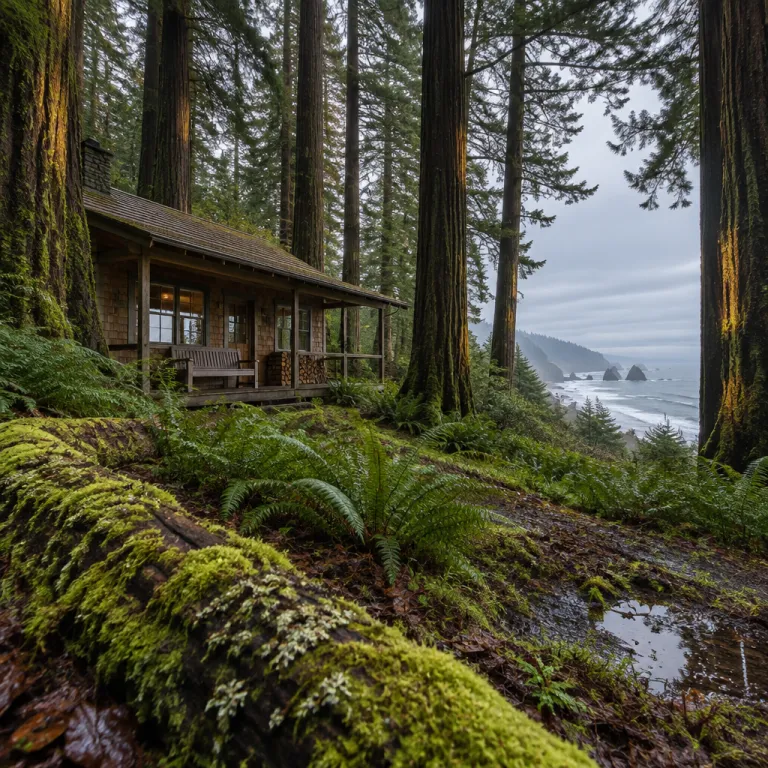
Standing beneath coastal redwoods reshapes how you think about scale. When you plan where to go in the california redwood forests, the right inn or coastal retreat lets you step from your room straight into a quiet grove. For travelers choosing a hotel, the aim is simple yet demanding; you want polished comfort, easy access to a national or state park, and a sense of seclusion among the trees.
The most elegant strategy is to anchor your stay around specific parks and groves rather than a single long drive. Focus on three main redwoods regions in California: the Humboldt Redwoods area along the Avenue of the Giants, the cluster of Redwood National and State Parks near Crescent City, and the quieter coastal redwoods around Prairie Creek and Fern Canyon. Each region offers a different mix of elevation, climate, and coast, so your maps and hotel list should match how much hiking, driving, and relaxation you truly want.
For guests who care about design and service, hidden coastal inns near these trees often outperform larger properties in atmosphere. Many sit just outside a national park or state park boundary, so you enjoy calm evenings yet reach a loop trail or grove trail within minutes. When you read hotel descriptions, look for direct mentions of redwood access, proximity to a named trail such as a tree trail or loop trail, and realistic driving times to the nearest park entrance.
Redwood national and state parks near Crescent City: where coast meets canopy
If you want california redwood forests where to go with dramatic ocean views, base yourself near Crescent City. This small harbor town places you between Jedediah Smith Redwoods State Park, Prairie Creek Redwoods State Park, and the broader Redwood National and State Parks complex. From a hotel here, you can breakfast by the coast, then reach a shaded grove or canyon trail in less than an hour.
Jedediah Smith is renowned for dense creek redwoods and narrow roads that wind between trees so close you almost touch the bark. Many travelers choose lodging along the Smith River corridor, where cabins and inns back onto forest and offer quick access to the Boy Scout Tree Trail, sometimes simply called the Scout Tree route. This tree trail is one of the region’s classic hikes; it combines moderate elevation gain, lush fern-lined slopes, and a finale at the massive Boy Scout Tree deep in the grove.
Prairie Creek Redwoods State Park lies a short drive south, pairing open prairie with towering redwoods and the famous Fern Canyon. Hotels near Orick or along the coastal bluffs give you a refined base for exploring Fern Canyon’s sheer walls, where dripping fern species create a living tapestry beside the creek. When planning the best time for these coastal stays, consult a detailed guide to seasons on California’s coast and ideal itineraries, then align your reservations with lower rainfall and longer daylight.
Prairie Creek, Fern Canyon and the quiet elegance of coastal lodges
Travelers who value silence and wildlife often choose the Prairie Creek area when deciding which california redwood forests to prioritize. Here, the landscape shifts quickly from elk-dotted prairie to shadowed redwoods, then out to a rugged coast where fog drifts in at low elevation. A handful of discreet lodges and inns sit between the national park units and the ocean, giving you short drives to both Fern Canyon and the open beaches.
Prairie Creek Redwoods State Park offers some of the most varied loop trail options in northern California. You can walk through a cathedral-like grove in the morning, follow a creek redwoods corridor after lunch, then end the day on a bluff watching the surf. Many visitors pair the Fern Canyon hike with a longer grove trail, using printed maps from the park visitor center to link redwood, canyon, and coast in a single day.
If you enjoy road trips, you can weave this region into a broader Highway 1 journey built around exceptional hotels. A curated resource on planning a refined California coast Highway 1 itinerary helps you connect these redwoods state parks with design-forward stays in Mendocino, Big Sur, and beyond. This approach lets you experience multiple parks and trees without rushing, while still returning each evening to a glass of wine, a quiet lounge, and the sound of the ocean outside your window.
Humboldt Redwoods and the Avenue of the Giants: riverside inns and forest loops
South of the national park complex, Humboldt Redwoods State Park offers a different answer to the question of which california redwood forests to visit. The Avenue of the Giants, a scenic road that parallels Highway 101, threads through some of the tallest and oldest trees in the world. Along this corridor, you will find understated riverside inns and cabins that place you within minutes of classic loop and grove trails.
Humboldt Redwoods is ideal for travelers who prefer gentle elevation changes and long, contemplative walks beneath the canopy. Many trails here follow the Eel River, with side paths leading into quiet groves where a single redwood tree can tower more than 90 metres overhead. When you read park brochures or study maps, note how the loop trail systems interconnect; this allows you to tailor each day’s distance while still returning easily to your chosen hotel.
The surrounding small towns provide just enough infrastructure for a comfortable stay without diluting the sense of immersion in the trees. You can spend the morning driving the Avenue of the Giants, stopping at signed groves and short tree trails, then retreat to a shaded deck as the afternoon light filters through the forest. For guests who enjoy structured planning, pairing this region with a carefully designed city stay is effective, and resources such as a Los Angeles itinerary built around hotel hotspots show how to balance urban energy with redwood calm.
Hidden coastal inns between parks: from Mendocino to the northern coast
Not every memorable stay near california redwood forests sits directly beside a park boundary. Between the major national and state parks, the northern California coast shelters small inns perched on cliffs, tucked into canyons, or set back in forest clearings. These retreats often provide easier last-minute availability than lodgings inside state parks, while still keeping you close to the trees.
Around Mendocino and Fort Bragg, you will not find the tallest redwoods, yet you gain access to atmospheric second-growth groves and dramatic coastlines. Here, hotels frequently partner with local guides who can arrange day trips north to Humboldt Redwoods or south to lesser-known redwoods state parks. This pattern works well if you prefer to sleep by the ocean but spend your days walking among trees, using detailed maps and a clear list of must-see groves to structure your time.
Farther north, between Eureka and Crescent City, coastal redwoods press closer to the shoreline. Inns in this stretch often sit near trailheads that lead from prairie or pasture into forest, then down toward a creek or canyon. When evaluating options, pay attention to driving times to the nearest national park entrance, the availability of early breakfasts for hikers, and whether staff can provide up-to-date readouts on trail conditions after storms.
Planning your stay: trails, elevation, and practical hotel choices
Choosing hotels around california redwood forests becomes easier when you think in layers. First, decide which combination of national park, state park, and coast matters most to you, then match each area with one or two potential inns. Next, study park maps to understand elevation profiles, loop trail options, and how long it takes to move between groves, prairie, and canyon landscapes.
For many visitors, a three-stop itinerary works well: one base near Crescent City for Jedediah Smith and the Boy Scout Tree Trail, one near Prairie Creek for Fern Canyon and open prairie walks, and one near Humboldt Redwoods for Avenue of the Giants drives. This pattern keeps daily driving modest while maximizing time among the trees and along the coast. It also allows you to compare different redwoods environments, from dense creek redwoods to airy upland groves, without feeling rushed.
When booking, prioritize properties that understand the rhythms of national state park travel. Look for early check-in flexibility, secure storage for wet gear after a day in Fern Canyon, and staff who can suggest quieter grove trails when popular routes feel crowded. With thoughtful planning, your chosen hotel becomes more than a place to sleep; it turns into a calm, reliable base that frames every walk beneath a California redwood tree as part of a coherent, deeply restorative journey.
Key figures about California redwoods, parks and visitation
- Redwood National and State Parks protect tens of thousands of hectares of land, including a substantial share of the remaining old-growth coastal redwoods, according to the National Park Service; this concentration makes the region uniquely efficient for travelers wanting to see multiple prime groves from a few hotel bases.
- Coast redwood trees can exceed 110 metres in height, with some individuals in Redwood National Park and Humboldt Redwoods State Park ranking among the tallest known trees on Earth; this extreme scale is why many loop trails are graded with gentle elevation to accommodate a wide range of visitors.
- Annual visitation to Redwood National and State Parks is significantly lower than major inland national parks like Yosemite, which receives several million visitors; this lower density often translates into quieter trails and more tranquil stays at nearby coastal inns.
- Prairie Creek Redwoods State Park hosts one of the largest Roosevelt elk herds in California, with several hundred animals using the open prairie near the parkway; guests staying in nearby lodgings frequently see elk from the road or even from their breakfast rooms.
- Studies cited by the National Park Service indicate that mature redwood forests rank among the world’s most effective natural carbon stores, with exceptionally high carbon density per hectare; for many travelers, staying near these parks adds a sense of environmental purpose to their choice of destination.
FAQ about staying near California redwood forests
Which town is the best base for visiting multiple redwood parks ?
Crescent City is the most practical single base if you want to visit several units of Redwood National and State Parks. From here, you can reach Jedediah Smith, Prairie Creek, and the main Redwood National Park areas within reasonable driving times. However, travelers seeking quieter evenings often split their stay between Crescent City and a second base near Humboldt Redwoods State Park.
How many nights should I plan for a redwoods focused trip ?
For a trip centered on redwoods, plan at least four to five nights spread across two locations. This allows one full day each in Jedediah Smith, Prairie Creek with Fern Canyon, and Humboldt Redwoods, plus travel time and rest. Guests who enjoy slower mornings and longer hotel stays often extend to a full week, adding coastal relaxation days between hikes.
Do I need a car to explore the redwood national and state parks ?
A car is strongly recommended, because trailheads, groves, and small coastal inns are spread over a long stretch of northern California. Public transport options are limited and rarely align well with early trail starts or late restaurant hours. With a car, you can adapt quickly to weather, shifting between coast, prairie, and forest as conditions change.
Are there luxury level stays near the redwoods, or only rustic cabins ?
The immediate park areas lean toward simple motels, cabins, and lodges, but several refined coastal inns within a short drive offer high-quality linens, thoughtful design, and strong culinary programs. Many guests choose a mix, spending a few nights in rustic forest settings and a few nights in more polished oceanfront properties. This combination balances immersion in nature with the comforts many travelers expect from an upscale hotel stay.
When is the best season to combine redwoods hiking with coastal relaxation ?
Late spring through early autumn generally offers the best blend of mild temperatures, longer daylight, and manageable rainfall along the northern California coast. During this period, trails in Fern Canyon and other creek redwoods areas are less likely to be closed by high water, and coastal fog often lifts by afternoon. Shoulder seasons can be excellent for quieter hotels and parks, provided you pack for cool, damp conditions under the trees.