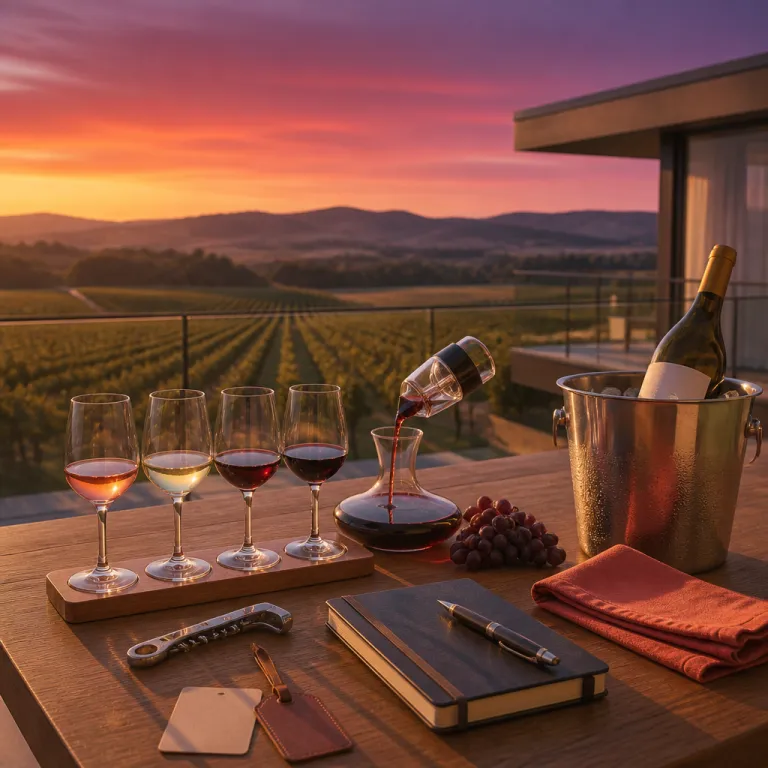
Why wine tours in Napa Valley, California pair so well with your hotel stay
Wine tours in Napa Valley, California work best when your hotel location matches your tasting plans. Many guests underestimate how a few minutes in the car can change a full day of wine tasting into a relaxed experience instead of a rushed tour. In this valley, wine, food, and where you sleep form one seamless journey.
Staying near central Napa places you close to the Napa Valley Wine Train, the Oxbow Public Market, and a wide range of wineries that offer both casual tasting experiences and more structured tasting tours. From here, you can join shared excursions that collect guests directly from larger hotels, or arrange a private driver who knows every valley backroad. This kind of thoughtful planning turns a simple visit into a curated tasting experience that respects your time and your palate.
Travelers focused on wine touring often choose hotels along the Silverado Trail, because this historic road runs parallel to Highway 29 and passes some of the most respected vineyards and wineries in Napa Valley. A stay on or near the Silverado Trail shortens transfer minutes between each winery visit, which matters when you want to enjoy several wines without feeling rushed. When you book, check whether the property partners with local tour operators, as many estates offer preferred rates or priority access for their guests.
If you are planning both Napa and Sonoma itineraries, consider splitting nights between the southern valley and the northern town of Saint Helena. This strategy reduces daily driving and lets you explore different winery styles, from family estates to larger producers with extensive wine club programs. It also gives you flexibility to add a spontaneous tasting or an extra flight when a particular winery surprises you.
Planning tours from San Francisco to Napa Valley around your hotel
Many visitors start their wine tours in Napa Valley, California with a hotel in San Francisco, then shift to a valley property once they understand the distances. The drive from central San Francisco to downtown Napa usually takes around seventy five to ninety minutes, depending on traffic and the route you choose. That timing matters when you are booking a morning wine tour or a lunch tasting experience at a popular winery.
If you prefer not to drive, several operators run structured tours from San Francisco to Napa Valley and nearby Sonoma, often including hotel pickup and drop off. These options typically combine three or four wineries, a guided visit at one estate, and free time to explore Napa town for shopping or an extra glass of cabernet sauvignon. When you compare offers, read the fine print and view details carefully to see whether tasting fees are included or paid separately at each winery.
Travelers who want more control often book a hotel in Napa Valley for at least two nights, then arrange a private driver for a full day of tastings. This approach lets you design your own route, perhaps starting with sparkling wines near the Carneros area, then moving north toward Yountville and Saint Helena for deeper cabernet sauvignon experiences. For step by step advice on how to coordinate hotel reservations with transport and tastings, use a dedicated planning resource such as this guide to planning California wine country tours from San Francisco around your hotel stay.
When you shift from a city hotel to a valley property, pack with wine country practicality in mind. Many wineries welcome walk in guests for a simple wine tasting, but the most sought after experiences require reservations and smart casual attire. Choose a hotel that offers flexible breakfast hours, because early departures for a morning visit to a winery can clash with rigid dining schedules.
Choosing the right Napa Valley hotel for your tasting itinerary
Where you sleep in Napa Valley shapes how you experience wine tours in Napa Valley, California from the first glass to the last. Hotels in downtown Napa suit travelers who want restaurants, wine bars, and the wine train within walking distance, while rural inns near vineyards appeal to guests seeking quiet evenings after a long day of tastings. Both styles can work beautifully if you match them to your preferred pace and budget.
Yountville is a refined choice for travelers who value dining as much as wine, because this small town concentrates Michelin starred restaurants, elegant tasting rooms, and several luxury hotels within a compact area. Staying here allows you to walk between a late afternoon tasting, a pre dinner glass of Napa wine, and a memorable meal without needing a car. Many Yountville properties also partner with nearby wineries to offer curated experiences or shuttle services for club members and overnight guests.
Farther north, Saint Helena and Calistoga provide a different valley atmosphere, with more family estates, historic wineries, and geothermal spas. Hotels in these towns often sit closer to vineyards, giving you vineyard views from your room and shorter minutes to your first tasting of the day. To align your room rate with your tasting budget, consult resources such as this guide to matching your California wine tasting plans to your hotel budget.
When comparing properties, look beyond the headline price and view details about transport, concierge services, and partnerships with local operators. A hotel that can arrange a last minute private tour or secure a hard to get reservation at a sought after winery may justify a slightly higher nightly rate. Ask whether the concierge can book the Napa Valley Wine Train, reserve a cabernet sauvignon focused tasting, or organize a cross regional Napa Sonoma itinerary that fits your dates.
Signature Napa Valley wine experiences and how hotels enhance them
Some wine tours in Napa Valley, California revolve around iconic experiences that many guests plan their entire trip around. The Napa Valley Wine Train is one of these, offering a rolling restaurant and tasting room that travels through vineyards while you enjoy multi course meals and selected wines. Booking a hotel within a short walk or a few minutes drive of the train station in downtown Napa simplifies your schedule and reduces transport stress.
Another signature experience is a focused cabernet sauvignon tasting at one of the valley’s renowned hillside estates. Many of these wineries sit along the Silverado Trail or on surrounding slopes, where views stretch across the valley landscape and the wines show impressive structure and depth. Hotels that specialize in wine country stays often maintain close relationships with such estates, giving their guests priority access to limited tasting appointments or small group tours.
For travelers who value intimacy, a private session at a family winery can be the highlight of a visit Napa itinerary. These visits often include a walk through the vineyards, a cellar tour, and a seated tasting of several wines, sometimes with food pairings that reflect local produce. When you reserve your room, ask whether the property can recommend family estates that welcome non club members, because some of the most memorable wineries operate quietly and rely on referrals rather than large marketing campaigns.
Hotels also play a role in shaping non tasting hours, which matter more than many first time visitors expect. After a full day of winery visits, you may appreciate a pool, a calm lounge, or a restaurant that understands how to handle guests who have enjoyed several wines already. If you plan to explore other parts of California, such as the coastal drive where current wildfires occasionally affect access, consult practical resources like this update on what the Timber Fire means for a Highway 1 trip before locking in non refundable hotel bookings.
Designing a Napa and Sonoma wine country stay from a hotel perspective
Many travelers combine wine tours in Napa Valley, California with time in neighboring Sonoma, creating a broader Napa Sonoma wine country itinerary. While the two regions share a focus on quality wines, they differ in atmosphere, pricing, and driving patterns, which affects how you should book hotels. Napa Valley tends to concentrate wineries along Highway 29 and the Silverado Trail, while Sonoma spreads vineyards across several valleys and coastal hills.
If your priority is structured tastings and high end cabernet sauvignon, base most nights in Napa Valley and add a single night in Sonoma for contrast. This approach lets you focus on Napa strengths, such as hillside vineyards and architecturally striking wineries, while still enjoying Sonoma’s more relaxed tasting rooms and family estates. When you plan, map your chosen wineries and calculate realistic minutes between each visit, then choose hotels that minimize backtracking.
Travelers who prefer a slower pace sometimes reverse the pattern, staying longer in Sonoma and using a single full day for a tour Napa excursion. In that case, consider hiring a driver who can collect you from your Sonoma hotel, conduct a focused circuit of three or four Napa wineries, then return you safely in the evening. This structure keeps your luggage in one place while still giving you a concentrated Napa Valley experience that highlights the region’s most distinctive wines.
Regardless of which region you emphasize, treat your hotel as the anchor of your wine country experience rather than an afterthought. Confirm that reception can help with last minute tastings, restaurant reservations, and transport, especially if you are not a member of any winery club program. A well chosen property will support your visit Napa plans, from early breakfasts before a morning vineyard tour to late checkouts after a final glass on your balcony.
Practical tips for safe, seamless Napa Valley wine touring from your hotel
Thoughtful logistics turn wine tours in Napa Valley, California from a string of appointments into a relaxed holiday. Start by limiting yourself to three or four winery visits per day, allowing at least ninety minutes for each tasting and extra time for views, photos, and purchases. This slower rhythm respects both the wines and your own comfort, especially when tastings include generous pours.
Transport is the next key decision, and your hotel can often help more than you expect. Many properties maintain relationships with local drivers who specialize in wine touring, understand appointment timing, and know which wineries welcome same day reservations. Ask reception to view details on pricing, minimum hours, and whether the driver can collect wines you purchase so you are not carrying bottles into each new stop.
Hydration and food matter as much as route planning in wine country. Choose hotels that offer substantial breakfasts and easy access to snacks, because tasting wines on an empty stomach quickly undermines even the most carefully planned schedule. During the day, alternate wine tasting with water, and consider sharing flights with your travel companion to keep your palate fresh.
Finally, think about how your room supports rest between intense tasting experiences. A quiet location, blackout curtains, and comfortable seating make it easier to relax after a long day among vineyards and estates. When you book, mention that you are planning extensive wine tours, because some hotels will suggest specific room types or wings that suit guests returning from wineries later in the evening.
How to read winery and hotel information like a seasoned Napa guest
Experienced travelers approach wine tours in Napa Valley, California with the same care they apply to booking long haul flights or complex city breaks. They know that the language used on winery and hotel websites carries specific signals about the style of experiences and the type of guests each property serves. Learning to interpret these signals helps you align expectations and avoid disappointment.
When you browse winery pages, pay attention to whether tastings are described as walk in, appointment only, or hosted experiences. Walk in tastings usually mean a standing bar or casual patio, while hosted experiences often involve seated flights, food pairings, and more detailed explanations of the wines and vineyards. Appointment only visits can range from intimate family estate encounters to highly polished luxury presentations, so always view details carefully and read recent guest reviews.
Hotel descriptions deserve the same scrutiny, especially if you are planning several days of wine touring. Look for mentions of concierge services, partnerships with local wineries, and transport options, because these features directly affect how easily you can move between your room and each tasting. Properties that highlight wine country packages or collaborations with the Napa Valley Wine Train often understand the specific needs of guests who plan their days around cabernet sauvignon and other regional styles.
Finally, remember that both wineries and hotels in Napa Valley operate within a mature, competitive market where quality levels are generally high. The challenge is not finding a good option, but selecting the right combination of estate visits, wine tours, and overnight stays for your personal style. By reading information with a critical eye and asking precise questions before you book, you can shape a Napa journey that feels both unique and deeply satisfying.
Key figures for Napa Valley wine tourism and hotel stays
- Napa Valley welcomes millions of visitors each year, and regional tourism organizations report that a majority of these guests include at least one wine tasting experience during their stay, which keeps demand for centrally located hotels consistently high.
- Local winery associations note that most producers in the region are family owned, meaning many tasting options focus on small production wines that are available only at the winery or through club shipments.
- Industry surveys indicate that typical visitors join organized or self guided wine tours for two to three days, visiting an average of three wineries per day, which aligns well with hotel stays of three to four nights in Napa Valley or the broader Napa Sonoma region.
- Regional research shows that guests who stay within a fifteen to twenty minute drive of their first winery visit each day report higher satisfaction scores, underscoring the value of choosing hotels close to your planned tasting route.
- Local safety reports note that using professional drivers for wine touring is associated with fewer alcohol related incidents on key routes, which is why many Napa Valley hotels now actively promote private car services and small group excursions to their guests.
FAQ about Napa Valley wine tours and hotels
How many wineries should I visit per day in Napa Valley ?
Most seasoned travelers recommend visiting no more than three or four wineries per day in Napa Valley. This pace allows enough time for each tasting experience, travel between vineyards, and a relaxed lunch. Trying to fit more stops usually leads to rushed visits and palate fatigue.
Do I need reservations for wine tastings in Napa Valley ?
Reservations are strongly recommended for most Napa Valley wineries, especially on weekends and during harvest season. While some tasting rooms accept walk in guests, the best seated experiences and private tours often book out days or weeks in advance. Your hotel concierge can often help secure last minute appointments.
Is it better to stay in downtown Napa, Yountville, or Saint Helena ?
The best location depends on your priorities and budget. Downtown Napa offers easy access to the wine train, restaurants, and many tour departures, while Yountville excels for fine dining and walkable tasting rooms. Saint Helena and nearby areas provide closer proximity to vineyards and a quieter small town atmosphere.
Can I visit both Napa and Sonoma during one trip ?
Yes, many travelers design combined Napa Sonoma itineraries, either by splitting hotel nights between the two regions or using one as a base for day trips. The drive between central Napa and key Sonoma towns typically ranges from thirty to sixty minutes. Planning winery clusters and realistic driving times is essential for a comfortable schedule.
Do Napa Valley hotels offer packages that include wine tours ?
Several Napa Valley hotels collaborate with local tour operators and wineries to offer bundled packages. These may include a night or two of accommodation, a guided wine tour, and reserved tasting experiences at selected estates. When comparing offers, always view details to confirm what is included and whether tasting fees are covered.
