Highway 1 Big Sur road closure: what is shut and how to reroute
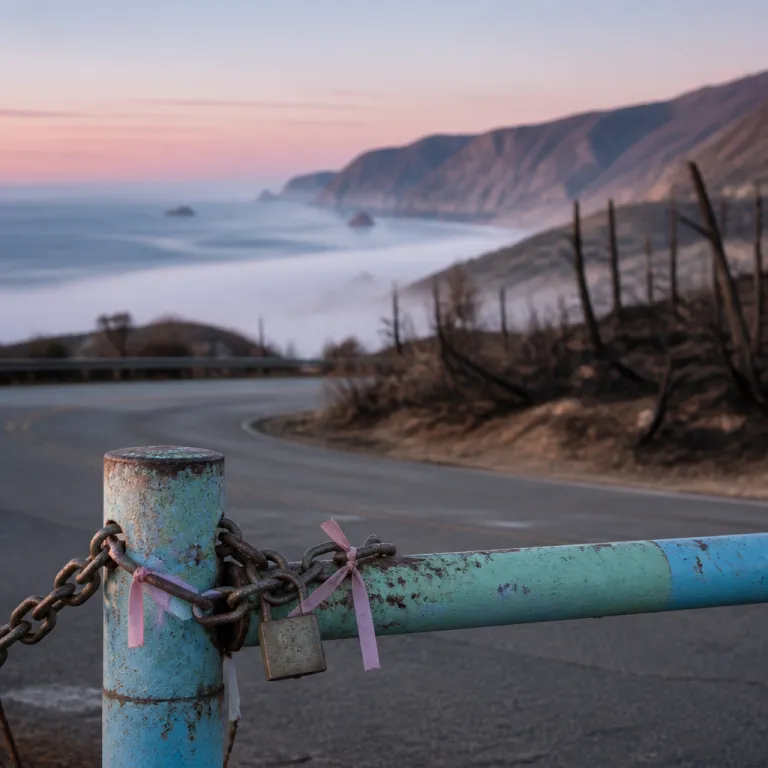
Highway 1 through Big Sur, California is closed again between Andrew Molera State Park and Deetjens Big Sur Inn, and that single fact should shape every hotel decision you make this week. This latest Highway 1 Big Sur road closure sits in the heart of Monterey County’s most dramatic stretch of rugged coastline, turning what is usually a fluid coastal drive into a hard stop for people heading between the Bay Area and the Central Coast. If you were picturing one long, slow cruise along the coast, you now need to read detailed maps, watch live Caltrans updates, and accept that this stretch of highway will not function as a through road for a while.
The Timber Fire, burning in Los Padres National Forest above Big Sur, has forced new road closures after a brief reopening in late Aug, and it is now one of the largest wildfires in the California state fire season. Cal Fire reports that the Timber Fire has burned well over 19 000 acres in sur California, and crews are also watching the newer Plaskett Fire south of the main timber fire footprint as shifting wind and heat complicate containment. This is why Caltrans and Cal Fire are treating this as a dynamic situation, and why any Highway 1 Big Sur road closure can expand or contract quickly as the fire behavior changes over the coming days and years.
For through travelers moving between Monterey and San Simeon or Ragged Point, the only realistic detour is inland via US 101, which means trading the rugged coastline for a faster but less scenic inland highway. From Monterey and Carmel, you will drive back toward the Salinas Valley, follow the 101 corridor through Monterey County and San Luis Obispo County, then cut back to the coast near Cambria or San Simeon, where coastal state parks and hotels remain open. This inland loop adds distance in kilometers and time in hours, yet it keeps you clear of active fire zones, emergency crews, and any surprise gateway big traffic jams caused by sudden road closures on the coast.
What this means for your Big Sur stay: bookings, safety and coastal alternatives
If you hold a room at a Big Sur property this week, treat the Highway 1 Big Sur road closure as a hard boundary, not a puzzle to solve on your own. Call your inn or lodge directly, ask how the timber fire and any related fire activity are affecting access, and let the local équipe tell you whether people are actually able to reach the property safely from the Monterey side or the San Simeon side. Do not try to thread back roads or unsigned county lanes around a closed state highway, because those routes often run straight into evacuation zones, Cal Fire staging areas, or narrow timber tracks that cannot handle visitor traffic.
Most coastal hotels in Monterey, Pacific Grove, Carmel by the Sea, Cambria and San Simeon remain open, and they currently offer the safest alternatives for travelers who still want a California big ocean fix without driving into an active fire area. If your Big Sur reservation is canceled, you can pivot toward a refined coastal stay in San Diego or Los Angeles instead, using a guide to choosing the right California beach resort to keep the trip centered on the coast while avoiding the central coast fire zone. These cities sit far from the timber fire and Plaskett Fire footprint, and their coastal state parks, urban beaches, and highway access remain unaffected by the Monterey County road closures.
Travelers with flexible dates should consider shifting Big Sur plans into late fall, when coastal winds usually calm, the fire season often eases, and the state parks along the central coast start to reopen trails and campgrounds after damage assessments. Over the past three years, this pattern of fire, slides, and repeated Highway 1 Big Sur road closure events has become a seasonal rhythm rather than a rare shock, and planning around that rhythm is now part of booking any serious coastal road trip. If you rebook for a later window, aim for stays in Monterey County towns on the north side or Cambria and San Simeon on the south side, so you can still reach open stretches of highway big scenery even if a new fire or storm closes the most fragile section again.
Planning future Highway 1 trips: hidden coastal inns, plan B routes and reliable information
Looking beyond this week, the Timber Fire is another reminder that Highway 1 is a beautiful but fragile road, and that every Highway 1 Big Sur road closure exposes how dependent travelers have become on a single stretch of highway for their California dreams. Landslides, winter storms, and now repeated fire events have hit the same few kilometers of rugged coastline in Monterey County over the past years, which means serious road trippers should always build a plan B that includes inland state routes and alternative coastal bases. Think of Highway 1 not as a guaranteed line on your map, but as a privilege that the coast and the weather may or may not grant you on any given trip.
One smart strategy is to anchor your stay in open, resilient hubs like Monterey, Carmel, Cambria, or even the wider Bay Area, then treat Big Sur day trips as optional add ons rather than the backbone of your itinerary. From these towns you can still reach coastal state parks, smaller state park beaches, and hidden coastal inns on safer stretches of highway, while keeping your lodging and main road access clear of the most slide prone and fire exposed canyons. For travelers who like pairing coastal drives with culture, a planning guide to California hotel stays near major museums can help you balance nights on the coast with nights in cities like Los Angeles or San Francisco, where California state infrastructure is less vulnerable to a single fire or slide.
When you start scouting hidden retreats for a future trip, focus on properties in Monterey, Cambria, San Simeon, or even the northern central coast that sit just off the main road yet remain outside the steepest canyons, and cross check every plan against Caltrans QuickMap and official Cal Fire and Monterey County emergency pages before you lock in non refundable rates. Visual tools from outlets such as Getty Images can help you understand how close some inns sit to the cliffs and canyons that keep failing, and editorial roundups of refined stays near California’s best hidden gems, such as this curated guide to under the radar hotels, can steer you toward places that feel wild without being exposed to every timber fire or slide. In the end, the most resilient Highway 1 trip is not the one that chases every last viewpoint, but the one that treats the coast as a shifting, living edge and lets your hotel choice adapt to the light, the weather, and the fires that shape Big Sur.