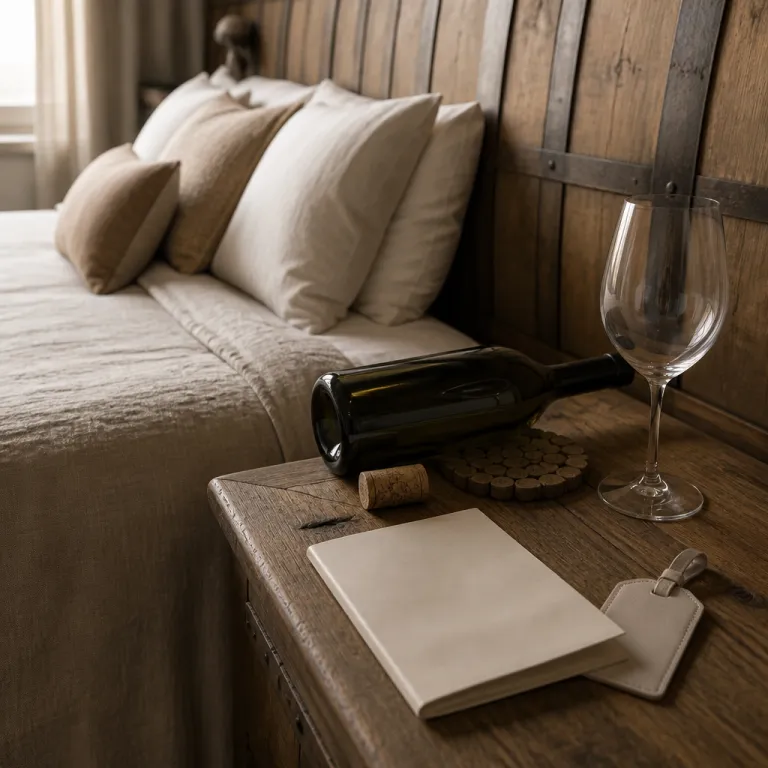
How to align your hotel choice with California wine tasting on a budget
Choosing the right hotel is the quiet foundation of California wine tasting on a budget. When you stay in the right part of California wine country, your transport costs shrink, your schedule relaxes, and your access to affordable wine tastings expands. Think of the hotel as your base camp for exploring Napa, Sonoma, and nearby valleys without stretching a careful traveler’s budget.
For guests focused on wine tasting rather than resort amenities, a central yet modest property in Napa Valley or Sonoma Valley often costs far less than luxury estates on remote hilltops. In Napa, look at hotels in downtown Napa or along Soscol Avenue, where you can walk to several tasting rooms and reduce taxi or rideshare costs between wineries and vineyards. In Sonoma County, staying in Santa Rosa or Healdsburg keeps you close to Russian River, Dry Creek, and Alexander Valley while preserving more of your budget for tasting fees instead of nightly room rates.
Travelers who plan to visit Napa and Sonoma on the same trip should consider a hotel near the border between the two regions, such as American Canyon or the southern edge of Sonoma Valley. This location makes it easier to reach both Napa Valley and Sonoma County wineries that offer tastings without long drives, which is especially valuable if you are paying for private drivers. When you evaluate hotel options, compare not only nightly costs but also parking fees, resort charges, and whether the property partners with any local family winery or city tasting rooms for discounts on tasting flights.
Comparing Napa, Sonoma, and smaller valleys for value focused stays
For budget wine country travel, understanding regional price differences matters as much as choosing the right hotel. Napa Valley is globally famous for California wine, yet its tasting fees and room rates are usually higher than those in Sonoma County or smaller valleys. Data summarized by Napa Valley Vintners (2023) and Sonoma County Tourism (2022) indicate that many standard tasting fees in Napa now fall in the 40 to 80 USD range, while typical tastings in Sonoma County often sit closer to 25 to 45 USD and some inland regions fall near 20 to 30 USD, which directly shapes how far a traveler’s budget will stretch.
Hotels in central Napa often cost more per night than comparable properties in Santa Rosa, Windsor, or Petaluma, even though all these towns give access to excellent wines and vineyards. If you base yourself in Sonoma Valley or near the Russian River corridor, you can often book a comfortable, friendly hotel with parking included, then drive 20 to 40 minutes to a wide range of wineries that offer tastings. Smaller areas such as Dry Creek and Alexander Valley provide a relaxed atmosphere, where a family winery might pour single-vineyard Cabernet or Zinfandel in a simple room that skips expensive décor yet delivers serious wines.
Guests who still wish to visit Napa can reserve one or two focused days there while sleeping in more affordable wine country towns nearby. You might visit Napa for a day of tastings along Highway 29, then return to a quieter hotel in Sonoma County or near the Carneros–Sonoma corridor, where room rates are often lower. This split strategy lets you experience the prestige of Napa Valley wines while keeping overall costs, including accommodation and transport, aligned with a budget-conscious wine trip.
Smart booking strategies: reservations, timing, and hotel perks
Planning ahead is the single most effective tactic for keeping wine country travel affordable. Many California wineries now use online reservation systems, and the same is true for popular hotels in Napa Valley and Sonoma Valley during harvest season. When you secure both your room and each tasting reservation early, you gain access to lower rates, better time slots, and sometimes midweek incentives that quietly protect your budget.
Industry guidance for visitors emphasizes a few core practices, and one expert summary from 2022 states: "Plan visits in advance.", "Check winery hours.", "Arrange transportation.", "Stay hydrated.", "Eat beforehand.". These same principles apply when you choose a hotel, because a property that includes breakfast, offers a shuttle, or sits within walking distance of several tasting rooms can reduce both food and transport costs. When you compare hotels in Napa, Sonoma, or Russian River towns, look for packages that include wine tastings, complimentary parking, or tasting passes that give reduced fees at partner wineries and vineyards.
Midweek stays usually cost less than weekends in most parts of California wine country, especially in Napa Valley and Sonoma County during harvest. If your schedule allows, arrive on a Monday or Tuesday, book tastings in Napa for late morning or early afternoon, and enjoy quieter rooms and more attentive service at each winery. Some family winery operations along Dry Creek or similar valley roads may waive tasting fees when you purchase bottles, which means that careful timing and thoughtful reservations can turn standard wine tastings into excellent value for anyone managing a traveler’s budget.
Choosing wine regions and hotels for families, friends, and dog owners
Different types of travelers experience affordable California wine tours in very different ways. A couple seeking quiet evenings in Napa Valley will not have the same priorities as a family with children or a guest traveling with a dog. Your hotel choice should reflect whether you need family-friendly amenities, pet policies, or late-night dining near the lobby bar after a long day of wine tasting.
Families often do well in Sonoma County, where many wineries offer lawns, picnic tables, and relaxed outdoor tastings that feel more like a park visit than a formal seminar. When you book a room in Santa Rosa, Healdsburg, or near Russian River, look for properties that advertise family suites, kitchenettes, and easy access to grocery stores, because these details keep food costs predictable. A family winery in Dry Creek or Alexander Valley may welcome children in outdoor areas while adults sample wines, and some hotels even provide partnerships with such vineyards so guests can enjoy discounted wine tastings without complicated logistics.
Travelers with a dog should confirm pet policies at both the hotel and each winery before finalizing any reservation. Many California wine country properties now accept dogs in ground-floor rooms and provide small grassy areas, while several vineyards in Sonoma Valley and along Russian River or similar valley roads allow leashed pets on patios. Choosing a dog-friendly hotel near these pet-welcoming wineries reduces driving time, keeps your budget focused on wines rather than kennels, and supports a relaxed rhythm that suits cost-conscious wine touring.
Maximizing value in tasting rooms while staying within your budget
Once your hotel is booked, the next step in planning California wine tasting on a budget is designing tasting days that feel rich yet remain financially controlled. In California, fees for wine tastings typically range from about 25 to 80 USD per person, depending on the region and the style of winery. Official guidance from regional tourism sources in 2023 often answers a common question this way: "Fees range from roughly $25 to $80, depending on region and winery.".
To keep costs manageable, mix higher-end Napa Valley or Carneros–Sonoma appointments with more modestly priced tastings in Sonoma County, Russian River, or Dry Creek. Many wineries offer tiered flights, so you might choose a classic tasting of current-release wines rather than a reserve or single-vineyard lineup, then buy one bottle you truly love. Some wineries in Napa, Sonoma, and Alexander Valley still waive tasting fees when you purchase bottles, which means your spending converts directly into California wine you can enjoy back at the hotel or at home.
Hotel concierges and front desk teams in wine country towns often maintain updated lists of partner wineries and vineyards that extend discounts or two-for-one tastings to guests. When you check in, ask specifically which wine tastings or tours are included with your stay, and whether any local family winery offers reduced fees on certain days. This simple conversation can turn a standard day of wine tasting into a curated route of affordable wine experiences that does not inflate your overall holiday costs.
Transport, safety, and practical tips from hotel to vineyard
Transport planning is the final pillar of budget-friendly wine country travel, and it directly influences both safety and costs. Distances between wineries in Napa, Sonoma, and the surrounding valley systems can be longer than they appear on a map. A hotel that seems slightly more expensive at first glance may actually reduce your total costs if it sits within walking distance of several tasting rooms or near a shuttle route.
In Napa Valley, many visitors choose to stay in downtown Napa or Yountville, then rely on rideshare services, local shuttles, or guided tours to reach more distant vineyards. In Sonoma County, basing yourself in Santa Rosa or Healdsburg allows easy access to Russian River, Dry Creek, and Alexander Valley by car, while still keeping driving times short enough for half-day excursions. When you visit Napa or Sonoma, ask your hotel about partnerships with tour operators, because some packages bundle transport, multiple wine tastings, and even picnic lunches at a family winery into a single price that simplifies your traveler’s budget.
Responsible tasting is non-negotiable, and hotels in California wine country take this seriously by offering late checkout, hydration stations, and clear information about local transport. Official guidance for visitors confirms that many wineries now require a reservation and that some waive fees with bottle purchases, which aligns perfectly with a thoughtful, pre-planned itinerary. By combining a well-located hotel, pre-booked tastings in Napa, and realistic driving plans around Russian River or similar valley roads, you can enjoy wine country on a budget while keeping both safety and comfort at the center of your stay.
Key figures for California wine tasting on a budget
- Average tasting fees in Napa Valley often reach around 60 USD per person, according to regional tourism summaries published in 2023, which means a single day of three tastings for two adults can easily exceed 360 USD before tax and tips, so hotel guests should factor this into their overall trip budget.
- Typical tasting fees in Sonoma County average about 25 to 35 USD per person, allowing travelers to visit more wineries and vineyards for the same total costs they might spend on fewer tastings in Napa Valley.
- Some inland regions comparable to Temecula report average tasting fees near 20 to 25 USD per person, illustrating how choosing less famous valleys can significantly extend a traveler’s budget for wine-focused getaways.
- Guidance from regional experts notes that many wineries now require reservations for tastings, which encourages visitors to plan their hotel location and daily routes carefully to avoid extra transport costs or missed appointments.
- Official answers from tourism resources confirm that some wineries waive tasting fees with bottle purchases, meaning that strategic buying can convert tasting costs into take-home California wine rather than pure expense.
FAQ: planning California wine tasting on a budget from your hotel
How much does wine tasting typically cost in California?
Across California wine country, wine tasting fees usually range from about 25 to 80 USD per person, depending on the region and the style of winery. Napa Valley tends to sit at the higher end of that spectrum, while Sonoma County, Russian River, and Dry Creek often offer more moderate prices. When you plan California wine tasting on a budget, combine a few premium tastings with several lower-cost visits to keep the overall total manageable.
Are reservations required for tastings in Napa and Sonoma?
Many wineries in Napa Valley, Sonoma Valley, and other counties now require a reservation for tastings, especially on weekends and during harvest. Booking your tasting times before you reserve a hotel helps you choose a location that minimizes driving between appointments. This approach supports both safety and budget control, because you can cluster wineries and vineyards near one another and reduce transport costs.
Can tasting fees be waived if I buy wine?
Some wineries in California still waive tasting fees when guests purchase bottles, particularly at smaller family winery operations in Sonoma County, Russian River, and Dry Creek. Policies vary, so always ask politely at the start of the tasting whether any fees can be applied to purchases. If you plan to buy California wine to take home, this practice can turn tasting costs into value rather than pure expense.
Which regions offer the best value for hotel and tasting combinations?
For California wine tasting on a budget, Sonoma County towns such as Santa Rosa, Healdsburg, and Petaluma often provide an excellent balance of hotel rates and tasting prices. From these bases, you can reach Russian River, Alexander Valley, and nearby valley areas quickly while paying less than in central Napa. Staying in these locations also gives easy access to a wide range of wineries that offer tastings, from casual patios to more structured single-vineyard experiences.
How should I choose a hotel if I am traveling with family or a dog?
Families and dog owners should prioritize hotels that clearly state their pet and child policies, as well as proximity to family-friendly and dog-friendly wineries. In Sonoma Valley and along Russian River, many vineyards welcome children in outdoor spaces and allow leashed dogs on terraces, which pairs well with hotels that offer suites, kitchenettes, and green areas. Matching your hotel amenities to the style of wineries you plan to visit keeps both comfort and budget aligned throughout your stay.
Sources
Napa Valley Vintners – overview of typical tasting fee ranges and reservation practices in Napa Valley (accessed 2023).
Sonoma County Tourism – regional summary of average tasting fees, family-friendly options, and booking guidance (updated 2022).
UC Davis and county tourism reports – background on wine tourism trends, pricing patterns, and visitor planning strategies (2019–2023).
