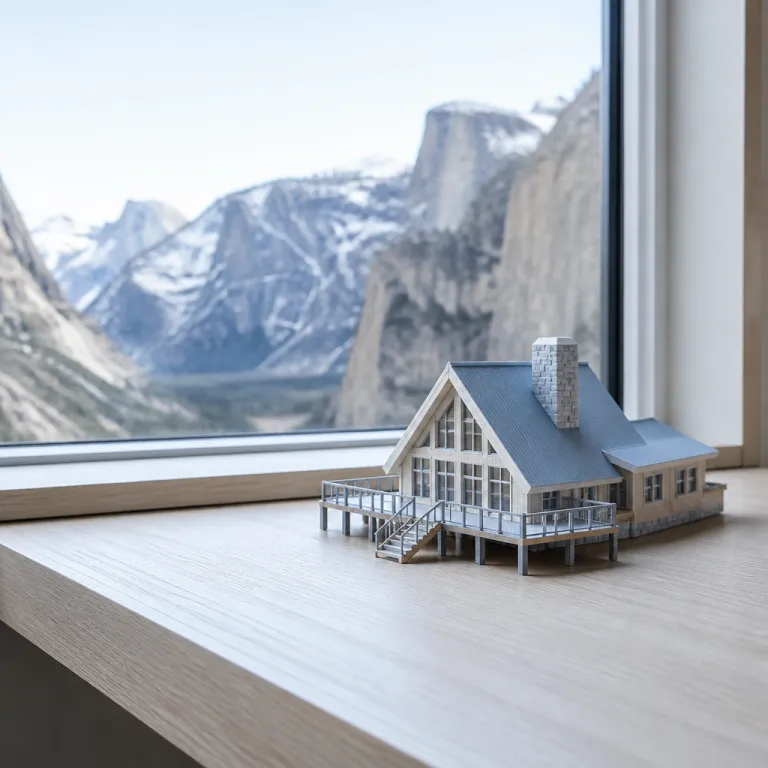
Yosemite national park california travel tips for choosing the right hotel base
Choosing where to sleep near Yosemite will shape every moment of your stay. When you plan a trip with hotel comfort in mind, the smartest Yosemite National Park California travel tips start with location rather than amenities. A well chosen lodge in or near the park lets you spend more time in the valley and less time on the road.
For many travellers, staying inside Yosemite National Park is the top priority, because waking up close to Yosemite Falls or the granite walls of the valley feels uniquely immersive and deeply practical. Yosemite Valley is the most central area for first time visitors, and a hotel or lodge here shortens every drive to trailheads, viewpoints, and dining, which is crucial when you only have one day or two days. If you prefer quieter nights, consider a lodge in the high country along Tioga Road when it is open, where the thinner crowds and cooler air create a very different park experience.
When you compare hotels, think about how you will actually move through the park each day. A property near the Arch Rock entrance reduces your time in the car if you are visiting mainly for Yosemite Valley, while a lodge near the south entrance works better for Glacier Point Road and Mariposa Grove. If you expect to explore several national parks in California during one year, you may want flexible reservations that allow changes or automatically adjust dates if roads shut due to snow.
Understanding Yosemite valley, key areas, and the best time to book
Yosemite Valley is the heart of the park, and most first time visitors underestimate how much time they will spend just moving between viewpoints, trailheads, and their lodge. The valley floor holds famous sights such as Yosemite Falls, the Merced River, and the meadows that inspired Ansel Adams, and staying nearby means you can walk or use shuttles instead of driving everywhere. These Yosemite National Park California travel tips matter even more during the busy period of the year when parking fills early.
Peak waterfall season usually comes in spring, when Yosemite cascades such as Vernal Falls and Nevada Fall roar with snowmelt and the valley feels alive with spray and mist. Summer brings longer daylight and warmer temperatures, but also more cars on every road and more pressure on hotel availability, so you should reserve your lodge months in advance if you want specific room types. Autumn offers a calmer atmosphere in the valley area, with softer light on the cliffs that Ansel Adams photographed years ago, and it is often the best time for travellers who value quiet trails and easier last minute hotel bookings.
Winter transforms Yosemite National Park into a quieter, snow dusted landscape, and some hotels inside the park remain open while others enter a period of inactivity or a seasonal closed period. Before you commit to a winter trip, check current conditions with the National Park Service on its official Yosemite pages, because Glacier Point Road and Tioga Road are usually closed once snow accumulates. If you are visiting in winter, choose a lodge with reliable heating, on site dining, and easy access to ploughed parking, so that a stormy day still feels comfortable rather than stressful.
Iconic viewpoints, falls, and how hotel location shapes each day
Many travellers book a hotel near Yosemite Valley specifically to maximise time at the park’s signature viewpoints and waterfalls. From a central lodge you can reach Yosemite Falls, Bridalveil Fall, and the trail to Vernal Falls early in the day, before crowds and heat build. These Yosemite National Park California travel tips help you turn a short stay into a series of well planned, memorable outings.
Glacier Point is one of the top viewpoints in any of the United States national parks, offering a sweeping panorama over Half Dome, the valley, and the high country beyond. When Glacier Point Road is open, a hotel near the south entrance shortens the drive to this viewpoint area, while a valley lodge still works well if you start at first light and treat the outing as a half day trip. If the road is closed for the season or for maintenance, the park service will list this under current conditions, and your hotel’s front desk can often confirm whether Glacier Point access is possible during your dates.
Waterfall lovers should plan their hotel choice around how early they want to reach trailheads for Yosemite Falls and Vernal Falls. A room in Yosemite Valley lets you walk or take a short shuttle ride to the start of these hikes, which is a great advantage in a busy year when parking fills quickly by mid morning. If you stay outside the park, you will need to factor in extra driving time on each day, especially along winding road sections where wildlife crossings and low speed limits are common.
Staying inside the park: Yosemite lodge, Curry Village, and nearby options
For travellers who want to be fully immersed in Yosemite, staying inside the park at Yosemite Lodge or in Curry Village offers unmatched convenience. Yosemite Lodge places you close to Yosemite Falls and the main valley services, which means you can step outside at dawn, feel the cool air, and be on a trail within minutes. Curry Village, with its mix of cabins and canvas tent style units, sits in a quieter corner of the valley area yet still keeps you near shuttle stops and dining.
Rooms inside Yosemite National Park often sell out many months before peak periods, so one of the most practical Yosemite National Park California travel tips is to secure cancellable reservations as soon as you know your approximate year and season. If you cannot find space at Yosemite Lodge or Curry Village, look at lodges in gateway towns such as El Portal, Mariposa, or Oakhurst, where you will find a wider range of hotel styles and price points. El Portal is roughly 25 minutes from Yosemite Valley, Mariposa is about an hour away, and Oakhurst is around 75 minutes, so these outside options add some driving time each day but can be a great value, especially for repeat visits.
When you compare Curry Village, Yosemite Lodge, and nearby hotels, think about how you like to unwind after a long day in the park. Some travellers prefer a simple room where they can sleep deeply and rise early, while others want a lodge with a pool, a bar, and views of Yosemite cliffs from their balcony. Either way, confirm whether your chosen property operates year round or has a seasonal closed period, and ask how they handle any period of inactivity if the park service restricts access due to fire or storms.
Practical logistics: roads, reservations, and working with the National Park Service
Logistics can make or break a Yosemite trip, especially when you are coordinating hotel bookings, park entry, and driving routes. The National Park Service, often referred to as the NPS, manages Yosemite National Park and publishes detailed updates on road closures, trail conditions, and any reservation systems. One of the most reliable Yosemite National Park California travel tips is to check NPS information before you finalise your lodge and again just before you travel.
Key access routes include Highway 140 through the Merced River canyon, Highway 41 from the south, and Tioga Road across the high country when snow free. Glacier Point Road branches from Highway 41 and leads to Glacier Point, but both roads can be closed for safety during storms or for extended maintenance, which may become a frequent topic in travel forums when visitors adjust their plans. If you booked a hotel mainly for easy access to Glacier Point or the Tioga Road high country, confirm current conditions with both the park service and your property, because shuttle schedules and driving times will change when a major road closes.
In recent years, Yosemite has experimented with entry reservations during peak seasons, and while no reservation may be required in some years according to current NPS information, policies can change. When a system is in place, your hotel stay does not always guarantee park entry, so you will need to secure both lodging and the appropriate day use or overnight permits. To keep planning simple, create a checklist where you can jump to the top items such as hotel confirmation, park entry requirements, and parking options, then review it again after any long period of inactivity in your planning process.
Safety, seasons, and making the most of Yosemite’s natural beauty from your hotel
Safety and comfort should guide every decision you make about where to stay and how to move through Yosemite. The park’s elevation changes, variable weather, and steep trails mean that even a short day hike from your lodge can feel demanding if you are not prepared. These Yosemite National Park California travel tips aim to keep you safe while you enjoy the scenery that has drawn visitors for many years.
Pack weather appropriate clothing, sturdy footwear, and enough food and water for each day, because once you leave your hotel you may be far from services for several hours. The National Park Service recommends that visitors plan ahead, arrive early, and stay on trails, and the official guidance notes that entry policies and fees can vary by year, so you should always confirm details before travelling. When you return to your lodge after a long outing to Yosemite Falls, Vernal Falls, or the high country, take time to review the next day’s forecast and current conditions so you can adjust plans if a storm or heat wave is approaching.
To deepen your connection with the landscape, consider visiting viewpoints and meadows at different times of day from your hotel base. Early morning light on Yosemite Valley often echoes the tones seen in classic Ansel Adams photographs, while late afternoon brings warm colours to the cliffs and a calmer atmosphere around the falls. Whether you stay in Yosemite Lodge, Curry Village, or a hotel outside the park, choose a property that lets you step outside easily, breathe the cool air, and remember why Yosemite’s scenery has captivated travellers for so many years and continues to do so each year.
Key figures for planning a Yosemite hotel based stay
- Yosemite National Park covers about 1 169 square miles, so choosing a lodge close to your priority area, such as Yosemite Valley or the high country, can save more than an hour of driving each day compared with staying far outside the park (source: National Park Service visitor use statistics).
- The park welcomes around 4 000 000 visitors per year, which means hotel rooms inside the valley and at Yosemite Lodge or Curry Village often sell out months in advance for peak spring and summer dates (source: National Park Service visitation reports).
- Visitation typically peaks in summer, while spring brings the strongest waterfall flows and autumn offers fewer crowds, so aligning your hotel booking with your preferred season can dramatically change your experience of Yosemite Falls, Vernal Falls, and Glacier Point (source: National Park Service seasonal planning guidance).
FAQ about Yosemite hotels and travel logistics
Do I need a reservation to enter Yosemite if I already booked a hotel ?
According to the latest National Park Service information, no reservation is required for park entry in some current seasons, and only the standard entrance fee applies, even if you have a hotel booking. Policies can change, so you should always verify current conditions with the National Park Service shortly before your trip. Your lodge or hotel front desk can often confirm whether any new entry systems affect your dates.
What is the best time of year to book a hotel for Yosemite ?
Spring is ideal if you want to see Yosemite Falls and Vernal Falls at their strongest, while autumn offers fewer visitors and more relaxed hotel availability. Summer brings the warmest weather and the longest daylight, but rooms at Yosemite Lodge, Curry Village, and other valley properties often sell out far in advance. Winter stays can be magical if you enjoy snow and quiet, yet you must check which roads are closed and whether your chosen lodge operates during that period.
How can I avoid crowds while staying near Yosemite Valley ?
To avoid crowds, choose a hotel that lets you reach Yosemite Valley trailheads early in the morning or later in the afternoon, when parking and paths are quieter. National Park Service guidance notes that visiting early morning or late afternoon and exploring less popular areas are effective strategies, and staying close to the valley makes this easier. You can also plan some days in the high country or at less visited viewpoints rather than focusing only on the main falls.
What should I pack for a hotel based Yosemite trip ?
For a comfortable stay, pack weather appropriate layers, sturdy walking shoes, a refillable water bottle, and a small day pack so you can leave heavier items safely in your hotel room. Official planning resources recommend clothing suited to changing conditions, food, water, and a park map, all of which remain essential even if you sleep in a full service lodge. Many travellers also download the official park app for offline maps and current conditions before they arrive.
Are pets allowed at Yosemite hotels and in the park ?
Pets are allowed in developed areas of Yosemite National Park, including some hotel zones and paved paths, but they are not permitted on most trails or in wilderness areas. When you book a lodge or hotel, confirm its specific pet policy, because some properties limit the number or size of animals. Always check the latest National Park Service rules so that your pet’s stay is safe, comfortable, and compliant with park regulations.
Sources
- National Park Service – Yosemite National Park official information
- Visit California – statewide travel planning resources
- U.S. Geological Survey – Sierra Nevada and Yosemite environmental data
