Planning your California stay with safety at the centre
California rewards thoughtful travel planning with remarkable coastlines, deserts, and mountains. To apply the most relevant California hotel and travel safety advice, start by matching your accommodation location to your planned activities and your personal risk tolerance. Choose areas with strong safety and security records, reliable emergency services, and easy access to major routes in case you need rapid evacuation.
When arriving from other states or from abroad, check official guidance on entry requirements for the United States before you book non refundable rooms. Foreign nationals should review United States Customs and Border Protection information (for example, the CBP “For International Visitors” pages at cbp.gov), because accurate documents at entry reduce stress and help you focus on local safety once in California. If you cross a land border into the country, allow extra time for customs and border checks, and keep hotel confirmations printed as well as stored on your phone.
For international travellers, the Department of Homeland Security and the United States Department of State provide the most reliable advice on border protection and travel risk. Their website updates explain how homeland security measures may affect airport screening, domestic flights between states, and what you can carry on adventure excursions. Always follow advice from these authorities, including any temporary restrictions that could affect hiking gear, camping stoves, or sports equipment.
Within California, choose hotels that communicate clearly about safety and security procedures. Ask how the property coordinates with local authorities, including police, fire departments, and medical services, especially if you plan remote outdoor excursions. A hotel that can explain its emergency plan, including evacuation routes and shelter in place options, usually takes guest protection seriously. One front desk manager in Palm Springs summed it up simply: “If we can’t explain our plan in two minutes, we don’t know it well enough.”
Before confirming your booking, read recent guest reviews that mention security, neighbourhood noise, and visible staff presence. Cross check those impressions with local media reports about crime trends in the immediate area around the hotel. When California safety guidance highlights a specific district as higher risk for violent crime, consider staying a few kilometres away and using public transport or rideshares to reach attractions.
- Quick pre booking safety checklist:
- Confirm 24 hour reception and clear emergency procedures.
- Check recent reviews for comments on security and neighbourhood safety.
- Verify easy access to main roads and nearby medical facilities.
- Save local emergency numbers and hotel contact details in your phone.
Choosing safe bases for outdoor adventures across the state
Adventure travellers often focus on trail difficulty and forget to evaluate hotel location through a safety lens. In California, USA, travel safety tips become especially relevant when you use your hotel as a base for multi day hikes, desert drives, or coastal road trips. Think of your accommodation as your security anchor, not just a place to sleep between excursions.
Along the Pacific Coast Highway, for example, you may split your stay between several regions and different states of mind, from relaxed beach towns to busier cities. A carefully planned itinerary, such as the one outlined in this guide to how a 7 day California road trip shapes your hotel strategy, helps you balance scenic drives with safe overnight stops. Always monitor local media and highway websites for landslides, wildfires, or air quality alerts that could change where it is safe to stay.
When you book near national parks like Yosemite, Joshua Tree, or Sequoia, ask hotels how they coordinate with park rangers and local authorities. Properties that follow instructions from authorities, including sheriff departments and fire services, will usually have clear protocols for including evacuation plans in guest information. Confirm whether staff receive instructions in real time during wildfire season, and whether they can help you monitor local alerts on your travel days.
Crime patterns vary widely between California cities and rural areas, so apply nuanced hotel safety practices rather than broad assumptions. In major urban centres, focus on neighbourhood level data about theft and violent crime, and ask hotels about lighting, cameras, and secure parking. In remote adventure hubs, the bigger risk may be delayed emergency services, so check how far you are from the nearest hospital and whether mobile coverage is reliable.
Road trippers crossing state borders into or out of California should understand that traffic laws and enforcement priorities can differ between states. Always follow advice from highway patrol officers and respect posted speed limits, especially in mountain passes or desert stretches where conditions change quickly. Keeping your documents ready for any border protection or customs style checks on certain crossings within the wider United States region also supports a smoother and safer journey.
- Safe basecamp tips for outdoor travellers:
- Choose towns with clinics or hospitals within a reasonable drive.
- Ask hotels about late check in options in case trails or roads take longer than expected.
- Store route maps and park alerts offline in case mobile coverage drops.
- Tell reception your planned return time from long hikes or drives.
Nature hazards, air quality, and seasonal risks around hotels
California’s landscapes create extraordinary outdoor experiences but also distinct natural hazards. When you evaluate hotels, integrate California USA travel safety tips that address wildfire smoke, earthquakes, coastal storms, and extreme heat. The goal is not to avoid these regions entirely, but to choose properties and seasons that manage risk responsibly.
Wildfire season runs through the drier months, and its exact timing can shift each year. During this period, monitor local air quality indexes daily, especially if you have respiratory conditions or plan strenuous hikes near your hotel. Many responsible hotels now share air quality updates at reception, follow instructions from local authorities, and may provide masks or guidance about limiting outdoor activity when smoke levels rise.
Along the southern coast and in parts of the desert, some travellers worry about the broader hurricane season in the eastern United States. While direct hurricane landfalls are rare in California, remnants of tropical systems can still bring heavy rain, flooding, and road closures. Hotels that take safety and security seriously will coordinate with authorities, including emergency management offices, to prepare including evacuation plans if flash flooding threatens low lying areas.
Ask your chosen property how they would support guests during any necessary evacuation. A clear answer should mention coordination with local authorities, transport options, and how they communicate instructions to travellers in multiple languages. If staff cannot explain their emergency procedures, consider that a warning sign and apply your California USA travel safety tips by booking elsewhere.
For geothermal regions and mountain spa towns, review guidance on seismic activity and hot spring safety before you book. When planning a wellness focused stay, consult this detailed guide on how to book hotels near California hot springs open to the public, then layer in your own risk assessment. Check whether the hotel follows advice from geological services and local media about temporary closures, trail restrictions, or water quality issues that could affect your plans.
- Mini evacuation and hazard checklist:
- Identify two exit routes from your room and floor.
- Keep shoes, a torch, and essential documents by the bed.
- Ask reception how alerts are delivered (phone, text, in person).
- During wildfire or storm warnings, keep your fuel tank at least half full.
Working with local authorities and services during your stay
Once you arrive in California, your most reliable partners in safety are local authorities and well trained hotel staff. Effective California USA travel safety tips emphasise communication, so introduce yourself at reception, share your planned excursions, and ask for local advice about current conditions. Staff who live in the area often know subtle details about neighbourhood safety, seasonal risks, and which services respond fastest in emergencies.
Every hotel should display emergency numbers and clear instructions for contacting police, fire, and medical services. Confirm whether reception is staffed around the clock, because 24 hour presence significantly improves safety and security for solo travellers returning late from outdoor activities. In more remote regions, ask how the property coordinates with volunteer rescue teams and whether they can help you monitor local alerts before you set out each morning.
When severe weather, wildfire, or other incidents occur, always follow instructions from authorities, including law enforcement and fire marshals. Your hotel may relay instructions from local authorities via text messages, in room notices, or announcements in public areas. Treat these messages as non negotiable guidance, and follow advice promptly, including evacuation orders, shelter in place directions, or road closure updates.
International travellers should keep the contact details of their embassy or consulate in the United States easily accessible. In a serious incident, consular staff can liaise with homeland security agencies, the Department of Homeland Security, and local authorities to support foreign nationals. Registering your travel plans with your embassy’s website before departure also helps them reach you quickly if safety and security conditions change in California.
For everyday issues such as minor crime, lost documents, or medical questions, your first call should usually be to hotel reception. Staff can help you file police reports, translate basic information, and connect you with reputable local services such as clinics or urgent care centres. This collaborative approach between travellers, hotels, and authorities keeps small problems from escalating into major disruptions.
- Essential emergency contacts to note:
- 911 for police, fire, and medical emergencies.
- Hotel reception (save the number under “Front Desk”).
- Your embassy or consulate in the United States.
- Travel insurer’s 24 hour assistance line.
Practical hotel habits that enhance personal security
Even the safest hotel benefits from guests who apply disciplined personal security habits. California USA travel safety tips start with simple routines, such as locking your door, using the room safe, and keeping valuables out of sight. These small actions reduce the likelihood of opportunistic crime and allow you to relax more fully between adventures.
When checking in, request a room between the second and sixth floors, which often balances easier evacuation with reduced street level risk. Ask whether the property uses key cards, CCTV in corridors, and secure access to elevators or stairwells, because layered security measures deter both petty theft and more serious violent crime. If anything about the room feels insecure, such as a balcony door that does not latch properly, request a change immediately and explain your concerns calmly.
Outside the room, stay alert in car parks, lifts, and remote corridors, especially at night. Walk with purpose, keep your phone accessible but not distracting, and avoid sharing your room number aloud where strangers can hear. When returning from outdoor excursions with expensive gear, move it quickly from your vehicle to your room, and ask reception about secure storage options if you carry bikes, surfboards, or climbing equipment.
Digital safety matters as much as physical security for modern travellers. Avoid using unsecured public Wi Fi networks for banking or sensitive communications, and ask whether the hotel provides a protected network with clear login instructions. If you must work remotely, position your laptop so that screens are not easily visible from corridors or shared spaces, especially when handling personal or company data.
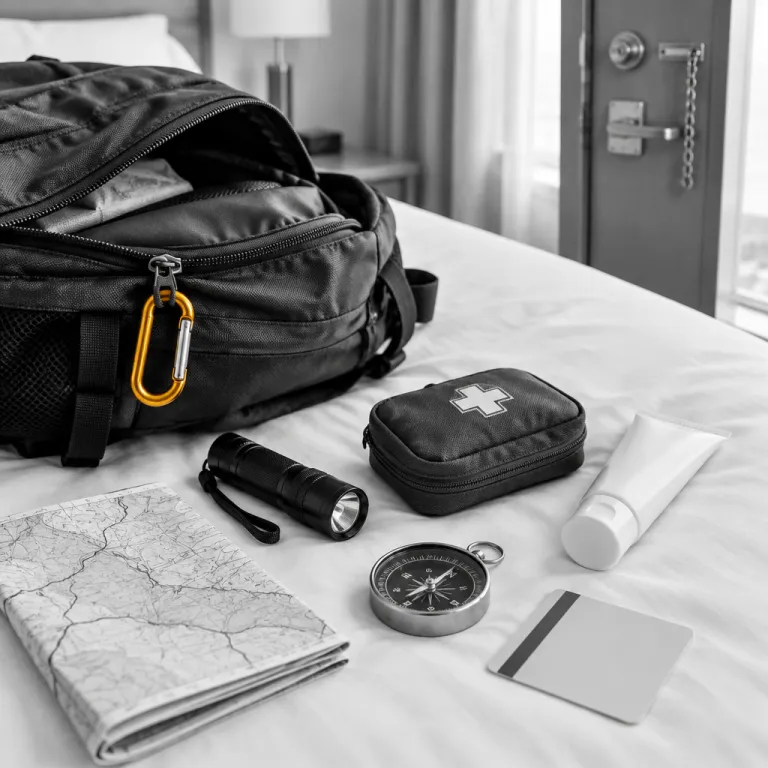
Finally, maintain a small personal safety kit in your daypack, including a photocopy of your passport, a list of emergency contacts, and essential medications. Share your daily plans with a trusted person at home and with hotel staff, particularly before solo hikes or long drives. These habits align with the most effective California USA travel safety tips and give both you and your loved ones greater peace of mind.
Aligning hotel choices with regulations, entry rules, and reliable information
Responsible travel in California begins long before you step into a hotel lobby. For visitors arriving from other countries, understanding United States entry requirements and security procedures helps you avoid stressful surprises at the border. Check the official website of your country’s foreign ministry and the United States government for the latest rules on visas, electronic authorisations, and permitted length of stay.
At airports and land crossings, United States Customs and Border Protection officers enforce entry requirements and customs regulations. Have your hotel addresses, onward travel plans, and proof of funds ready, because clear answers demonstrate that you are a low risk visitor focused on tourism. When officers or other authorities ask questions, respond honestly and follow advice carefully, as cooperation usually leads to faster processing.
Once inside the country, respect federal and state laws, including rules about driving, alcohol, and outdoor activities. California’s regulations on campfires, drones, and wildlife protection are designed to reduce risk for both travellers and residents, especially during dry months when the wildfire season runs at its peak. If you are unsure about a rule, ask local authorities or park rangers rather than relying on hearsay from other travellers.
Reliable information is the backbone of all California USA travel safety tips. Monitor local media, official city or county websites, and hotel notices for updates on crime trends, public health advisories, or environmental issues such as air quality alerts. When planning theme park visits or family focused stays, consult specialised resources like this guide to planning California theme parks for families and choosing the right hotel base, then cross check details with official park communications.
As you move between regions, remember that different counties may issue distinct safety and security guidance. Some coastal areas may focus on rip current warnings, while mountain communities emphasise snow, ice, or rockfall risks. By staying flexible and willing to adjust your hotel choices when new information emerges, you honour both local expertise and your own responsibility as a thoughtful guest.
Key statistics on California travel safety and hotels
- The California Office of Tourism reports that over 250 million domestic and international trips to and within California occur annually (based on pre pandemic figures from 2019; see the state tourism statistics at industry.visitcalifornia.com), illustrating that most journeys proceed safely when travellers follow local advice and regulations.
- According to the Federal Bureau of Investigation’s crime data explorer for 2013–2022 (available at cde.ucr.fbi.gov), property crime rates in California’s largest cities have gradually declined over the past decade, but remain higher in certain urban districts, reinforcing the value of choosing hotel locations carefully.
- Cal Fire incident statistics for recent wildfire seasons, including 2020 and 2021 (summarised at fire.ca.gov), show that millions of hectares have burned across the state, with smoke affecting air quality hundreds of kilometres away, which underlines the importance of monitoring local air quality indexes when booking hotels in rural or forested areas.
- The United States National Highway Traffic Safety Administration notes in its 2022 overview of motor vehicle crashes (see summary reports at nhtsa.gov) that fatigue and distraction contribute to a significant share of road accidents, making strategic hotel stops during long California road trips a critical safety decision rather than a mere comfort choice.
- Research from the American Hotel & Lodging Association, summarised in security and operations reports from 2020–2022 (accessible via ahla.com), indicates that properties with 24 hour staffed reception and modern electronic key systems report fewer security incidents, supporting the recommendation to prioritise these features when selecting accommodation.
FAQ about California USA travel safety tips for hotel guests
How safe are California hotels for solo travellers?
Most established hotels in California maintain strong safety and security standards, especially in well known tourist areas. Solo travellers should prioritise properties with 24 hour reception, good lighting, and positive recent reviews that mention security. Choosing central locations and following basic precautions, such as not sharing room numbers publicly, further reduces risk.
What should I check about a hotel’s wildfire and evacuation plan?
Ask whether the hotel has a written emergency plan that includes evacuation routes, communication methods, and coordination with local authorities. Staff should be able to explain how they receive and follow instructions from fire services and emergency management offices. If the property cannot provide clear answers, consider booking in a different area during peak wildfire season.
Is it safe to rent a car and drive between California cities?
Driving between California cities is generally safe when you respect speed limits, rest regularly, and monitor local traffic and weather reports. Many travellers use road trips to connect coastal, desert, and mountain regions while staying in multiple hotels. Plan realistic daily distances and avoid driving unfamiliar mountain or desert roads at night whenever possible.
How can international visitors handle emergencies while staying in California hotels?
Foreign nationals should keep their passport, insurance details, and embassy contacts accessible, and share copies with a trusted person at home. In an emergency, contact hotel reception first, then dial 911 for police, fire, or medical assistance, and inform your consulate if the incident is serious. Hotels that regularly host international guests are usually familiar with supporting these procedures.
Which sources provide the most reliable safety updates for travellers in California?
The most dependable updates come from local authorities, official state and county websites, and recognised news outlets. For broader issues such as entry requirements or national security alerts, rely on the United States government and your own country’s foreign ministry. Combining these sources with on the ground hotel guidance gives you a balanced and timely picture of any evolving risks.